



Share
Table of Contents
    Table of Contents

      Harnessing Employee Insights for Smarter 
Learning Experiences

      The future of learning and development (L&D) depends on organizations embracing innovation, especially through AI and personalized, employee-centered training strategies. To better understand current trends and expectations, Litmos surveyed 1,000 workers in December 2024. The results show strong demand for professional development, with career growth being a top motivator. However, access and engagement remain uneven. The findings emphasize the importance of flexible, tech-driven approaches that align employee learning with business goals—and highlight the value of listening to employees as a starting point for building more impactful L&D strategies.

      Shaping the Future of 
Learning & Development Image

      Key findings:

      AI’s Role in Shaping Quality Learning Experiences

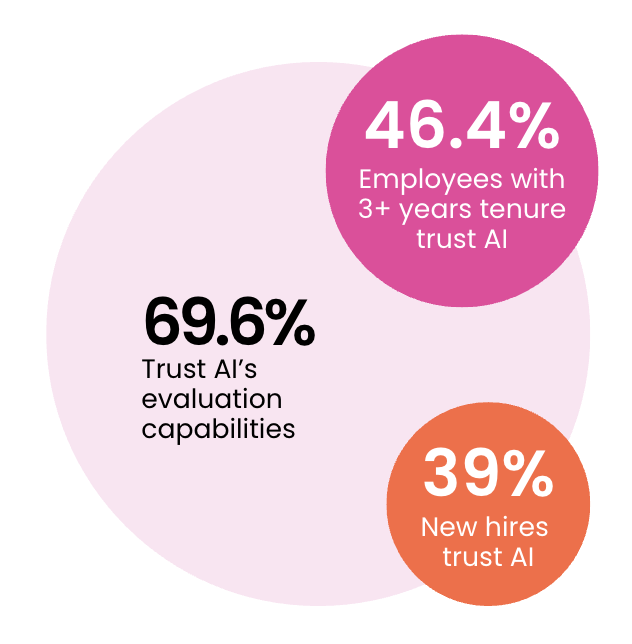
      A strong correlation exists between employee tenure and trust in AI. Specifically, employees with three or more years of tenure are more likely to trust it, with 46.4% expressing confidence in AI’s ability to align their professional growth with organizational goals. Only 39% of newer hires are in agreement.

      Most Desired AI Capabilities for LMS Include Personalization and Feedback

      The advanced capabilities of AI-driven platforms are generating interest in specialized training features, like personalized learning paths, real-time feedback, chatbot support, and skill gap analysis. These innovative functionalities offer a range of benefits, such as adapting content based on a learner’s progress to provide more challenging material when they’re ready or to offer extra support when needed.

      Employees who believe AI-enhanced training would improve their overall L&D experience are most interested in:

      Shaping the Future of 
Learning & Development Image

      40%

      Personalized Learning Paths
      They want AI to recommend training tailored to their
unique roles and aspirations.

      Shaping the Future of 
Learning & Development Image

      36.1%

      Real-Time Feedback
      They want instant feedback to improve learning outcomes and employee confidence.

      Shaping the Future of 
Learning & Development Image

      35.1%

      Chatbot Support
      They want immediate assistance to ensure seamless accessibility and use of training platforms.

      Shaping the Future of 
Learning & Development Image

      27.7%

      Skill Gap Analysis
      They want help identifying critical development areas.

      Shaping the Future of 
Learning & Development Image

      Engaged Employees Grow and Stay

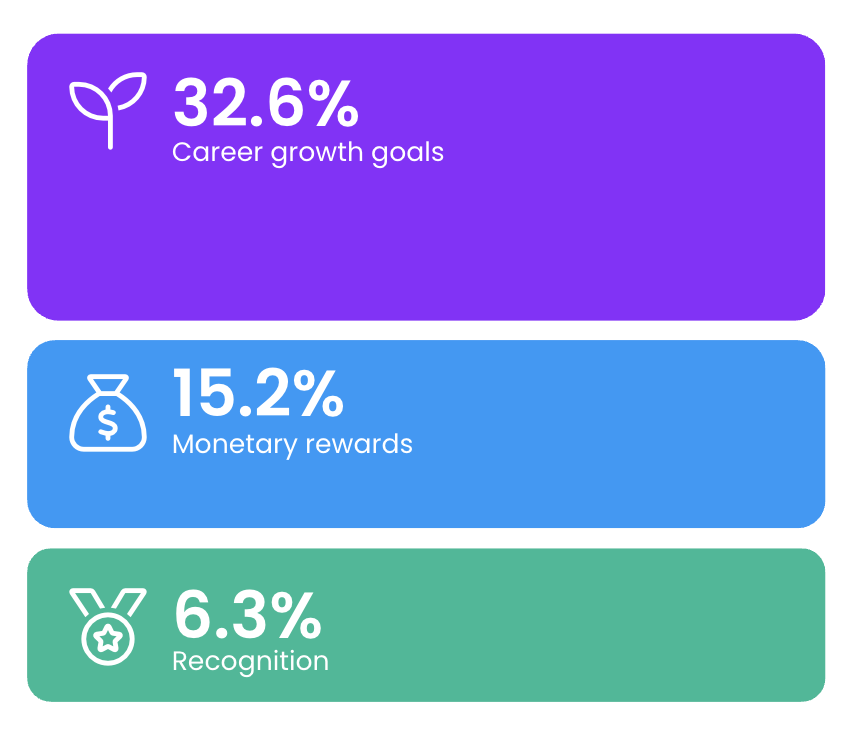
      When it comes to professional development, career growth is a far stronger motivator than money. Survey data shows that 32.6% of employees prioritize career advancement as their main reason for engaging in training—more than double the 15.2% driven by monetary incentives.

      While financial rewards still matter, employees are more motivated by long-term growth than short-term gains. Recognition also plays a role, with 6.3% citing acknowledgment as a key driver for participation.

      Digital Learning Drives Employee Engagement and Retention

      Retaining employees offers significant financial benefits to companies by reducing recruitment and training costs while preserving productivity and expertise within the organization. One of the most effective ways to drive this engagement, and ultimately retention, is by offering training opportunities that align with employees’ career goals and preferred learning methods. Increasingly, those preferences are shifting toward digital learning formats.

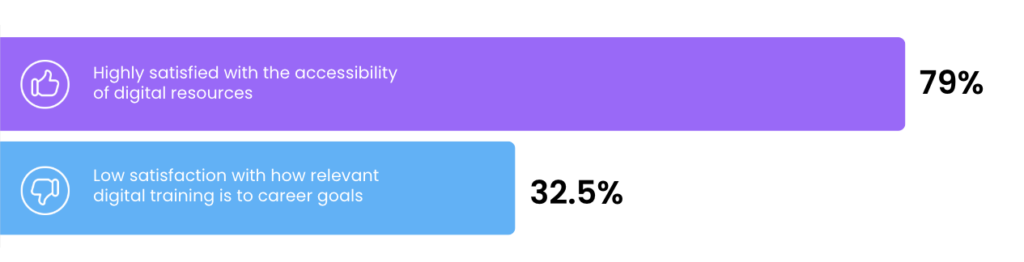
      65.5% of survey participants engaged in training that incorporated digital tools in the past 12 months. Impressively, 79% reported high satisfaction with the accessibility of these digital resources. Given these preferences, investing in digital and structured professional development programs is a clear way for companies to keep employees engaged and committed long-term.
      Access to Preferred Training Isn’t Enough – Employees Need Support and Control

      Personalized learning is a powerful way for organizations to show their commitment to employee growth. By providing the right support and resources, companies can help employees map their career paths while ensuring they develop the skills the business values.
      However, despite having access to training options that align with their learning preferences, many employees feel limited in their ability to choose their own development opportunities.

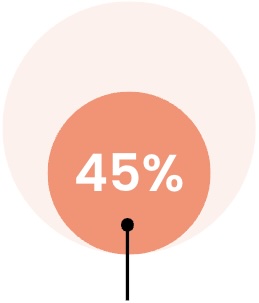
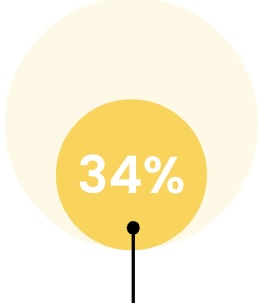
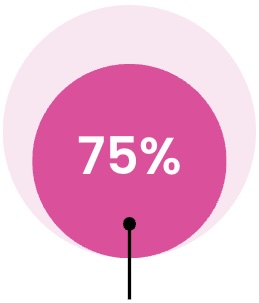
      45% of surveyed employees report having little to no control over the programs they participate in. Additionally, while 75% say they receive moderate to strong career growth support from their employers, 34% feel they lack sufficient guidance. This gap highlights the need for organizations to empower employees with greater autonomy and support to shape their own learning experiences.

      Shaping the Future of 
Learning & Development Image

      Of employees receive moderate to strong career growth support

      Shaping the Future of 
Learning & Development Image

      Of employees report having little to no control over the programs they participate in

      Shaping the Future of 
Learning & Development Image

      Of employees feel 
they lack sufficient 
guidance

      FAQs

      What is the purpose of this report?

      The report was created to explore how AI, personalization, and employee-driven strategies are shaping the future of workplace learning and development (L&D). It aims to help HR professionals and L&D leaders understand how to better align training programs with employee needs and business goals.

      Who participated in the survey behind this report?

      In December 2024, Litmos surveyed 1,000 adults who were either currently employed or had been employed in the past 12 months. Respondents represented a wide range of industries, ages, and roles, providing a broad view of how today’s workforce engages with L&D programs.

      Why focus on AI in learning and development?

      AI is rapidly transforming how training is delivered, making it more personalized, interactive, and data-driven. The report highlights that a majority of employees—especially those already using AI in their jobs—want AI tools integrated into training to enhance relevance and performance.

      What key trends emerged from the survey?

      Several major trends emerged: Trust in AI for skill development is increasing, digital learning formats are widely used and generally well-liked, and many employees want more control over their learning experiences.

      How can organizations use this report?

      HR and L&D leaders can use these insights to create more effective training strategies—by adopting AI-enhanced tools, offering flexible learning formats, and empowering employees with more autonomy. The goal is to build learning environments that support both professional growth and organizational success.